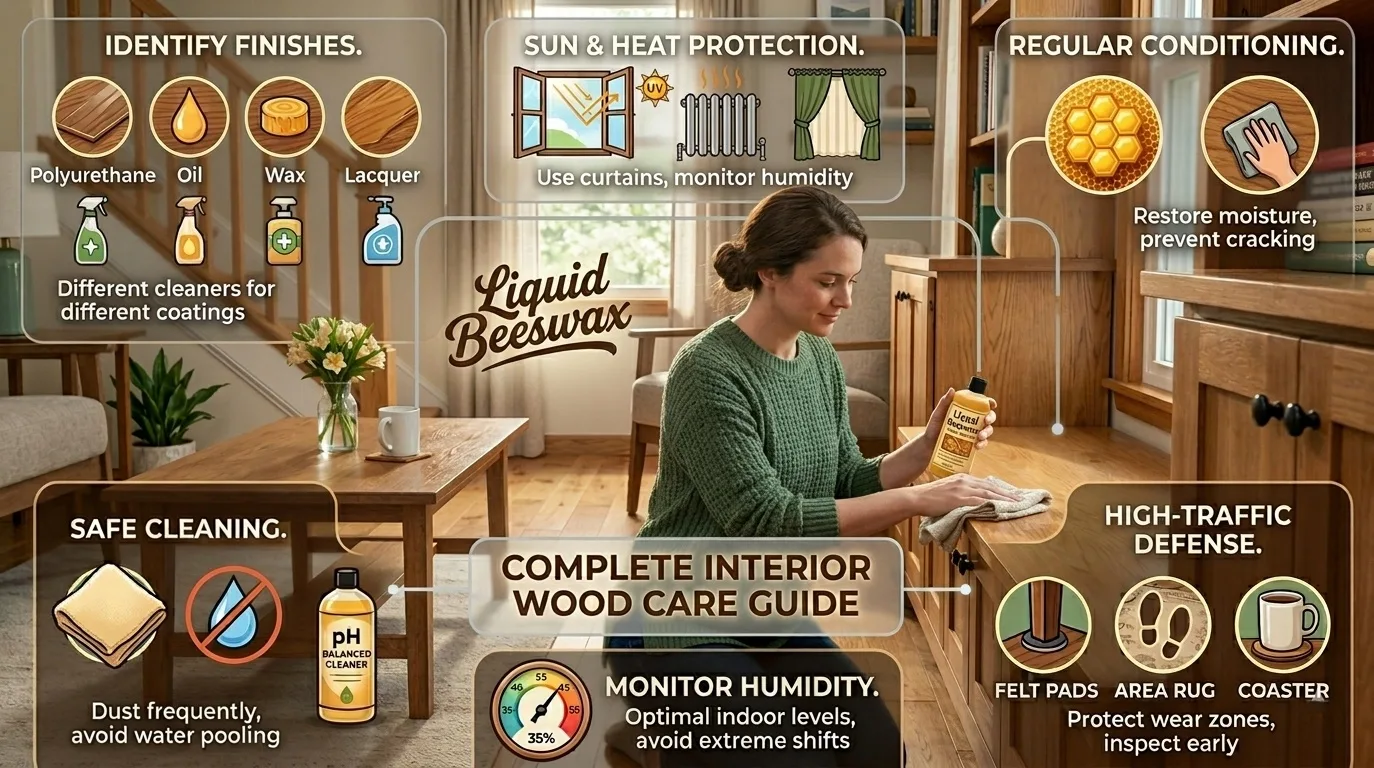
Interior wood finishes contribute significantly to the visual warmth, durability, and architectural character of a home. From hardwood floors and trim to cabinetry, stair railings, and furniture, finished wood surfaces require consistent care to preserve their appearance and structural integrity over time.
Daily exposure to moisture, dust, sunlight, fluctuating temperatures, and household chemicals can gradually weaken protective coatings and diminish the natural beauty of wood. Proper maintenance not only extends the lifespan of interior finishes but also helps homeowners avoid premature restoration or replacement costs.
1. Understand the Type of Wood Finish Used in the Home
Effective maintenance begins with identifying the type of finish protecting the wood surface. Different finishes respond differently to moisture, heat, and cleaning products.
Common interior wood finishes include:
- Polyurethane
- Oil-based finishes
- Wax finishes
- Shellac
- Lacquer
- Water-based sealants
Each finish requires a slightly different maintenance approach. For example, wax-finished wood typically needs periodic conditioning, while polyurethane-coated surfaces may require gentler cleaning to prevent dullness or surface scratches.
Understanding the finish type also helps prevent accidental damage caused by incompatible cleaners or abrasive materials.
2. Prevent Sunlight and Heat Damage Before It Starts
Prolonged exposure to ultraviolet light is one of the leading causes of fading and discoloration in interior wood surfaces. Direct sunlight gradually dries out wood fibers, weakens protective coatings, and alters natural color tones.
Heat sources such as fireplaces, radiators, and heating vents can also accelerate moisture loss within wood, increasing the likelihood of cracking or warping over time.
To minimize environmental damage:
- Use curtains or UV-filtering window treatments
- Rotate furniture periodically
- Maintain stable indoor humidity levels
- Avoid placing wooden furniture directly beside heat sources
Preventive protection is often more effective than corrective restoration once fading or drying becomes severe.
3. Use Conditioning Treatments to Preserve Natural Moisture
Wood naturally expands and contracts based on humidity and environmental conditions. Without adequate conditioning, interior wood finishes may become dry, brittle, or uneven in appearance. Periodic conditioning helps replenish moisture while supporting the longevity of the finish itself. Products formulated with natural waxes and conditioning agents are commonly used to restore softness and revive dull wood surfaces without leaving excessive residue. For homeowners maintaining hardwood furniture, trim, or cabinetry, Skidmore’s Liquid Beeswax Woodfinish is often referenced in discussions around preserving interior wood surfaces naturally while supporting long-term finish protection. Conditioning treatments can also help minimize the appearance of fine scratches and dryness caused by seasonal climate changes. Consistent conditioning schedules are particularly important in homes with low indoor humidity or extensive wood detailing.
4. Clean Wood Surfaces Without Damaging the Finish
Routine cleaning is essential, but harsh chemicals can gradually strip protective coatings from wood surfaces. Many all-purpose cleaners contain ingredients that dull finishes or weaken surface sealants over time. Safer cleaning practices generally include:
- Using soft microfiber cloths
- Avoiding excessive moisture
- Removing spills immediately
- Using pH-balanced cleaning solutions
- Dusting frequently to reduce abrasive buildup
Homeowners increasingly prioritize surface-safe and environmentally conscious maintenance methods when caring for natural materials indoors. Discussions surrounding Non-Toxic Home Care Products for Modern Interiors often highlight how gentler cleaning routines may help preserve delicate finishes while supporting healthier indoor environments. Routine care performed correctly can significantly extend the lifespan of interior wood finishes without requiring aggressive restoration.
5. Protect High-Traffic Areas From Premature Wear
Certain areas within a home experience more friction, impact, and moisture exposure than others. Stair treads, kitchen cabinetry, dining tables, hardwood floors, and entryway trim are particularly vulnerable to finish deterioration.
Protective measures may include:
- Felt pads beneath furniture
- Area rugs in high-traffic spaces
- Coasters and placemats
- Prompt cleanup of spills
- Regular inspection of wear-prone surfaces
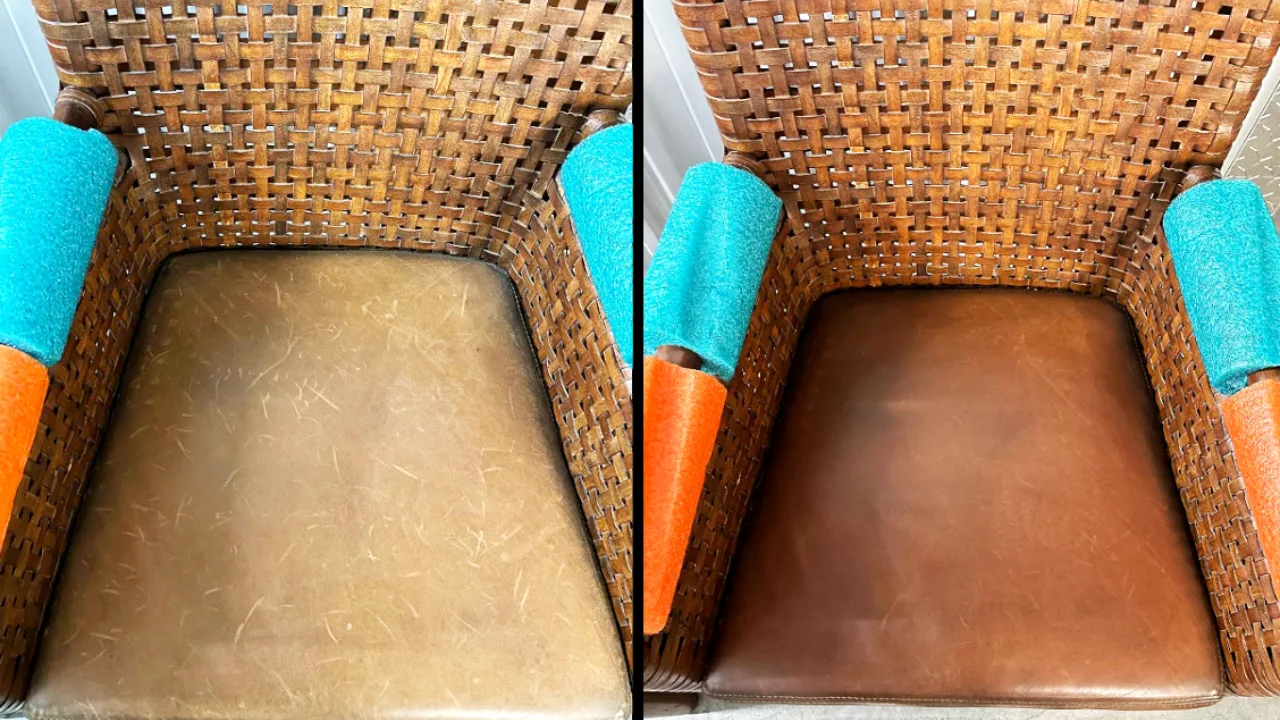
Ignoring minor wear patterns often leads to larger refinishing projects later. Small scratches and finish thinning can usually be addressed more effectively when detected early. Households that maintain both wood and leather furnishings often adopt broader maintenance routines that incorporate compatible leather care products and wood-safe conditioners to preserve natural materials throughout the home environment. Consistency across interior care practices can help reduce premature aging of multiple surface types simultaneously.
6. Monitor Humidity Levels Throughout the Year
Wood remains sensitive to environmental fluctuations even after finishing treatments are applied. Excessively dry air may cause shrinking and cracking, while high humidity can contribute to swelling, cupping, or finish separation. Seasonal humidity shifts are especially noticeable in climates with strong winter heating or humid summers.
Many professionals recommend the following to help stabilize wood movement:
- Maintain indoor humidity between 35% and 55%
- Use humidifiers or dehumidifiers depending on the season
- Monitor humidity levels regularly in homes featuring extensive hardwood flooring, built-in cabinetry, or custom woodwork
Conclusion
Interior wood finishes require ongoing care to maintain their durability, appearance, and structural stability over time. Environmental exposure, moisture fluctuations, sunlight, and improper cleaning methods can gradually weaken even high-quality finishes if left unaddressed. Preventive maintenance strategies such as proper cleaning, conditioning, humidity control, and surface protection help preserve wood surfaces while minimizing the need for extensive restoration. Consistent care allows interior wood features to retain their natural character and functionality for many years within modern residential spaces.
JC
James Carter
James is a certified general contractor and home renovation expert. He has completed over 200 residential remodeling projects across the Northeast.