
Material Matters
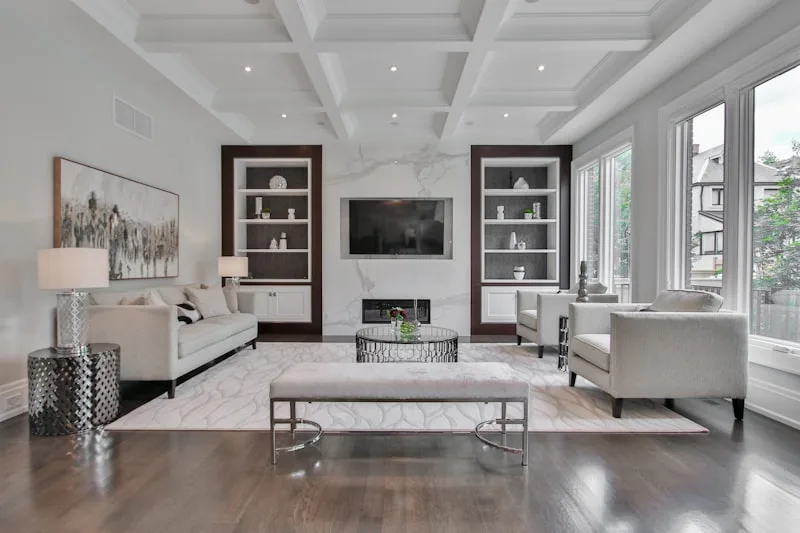
The right floor tile depends on where it will be installed and how much traffic it will receive. Porcelain tiles with a PEI rating of 4 or 5 are ideal for high-traffic areas like kitchens, hallways, and entryways. Natural stone tiles — travertine, slate, and limestone — add unique character but require more maintenance. Wood-look porcelain planks have become enormously popular, offering the warmth of hardwood with the durability and water resistance of tile. For outdoor applications, choose frost-resistant porcelain with a textured surface for traction.
Size and Layout Considerations
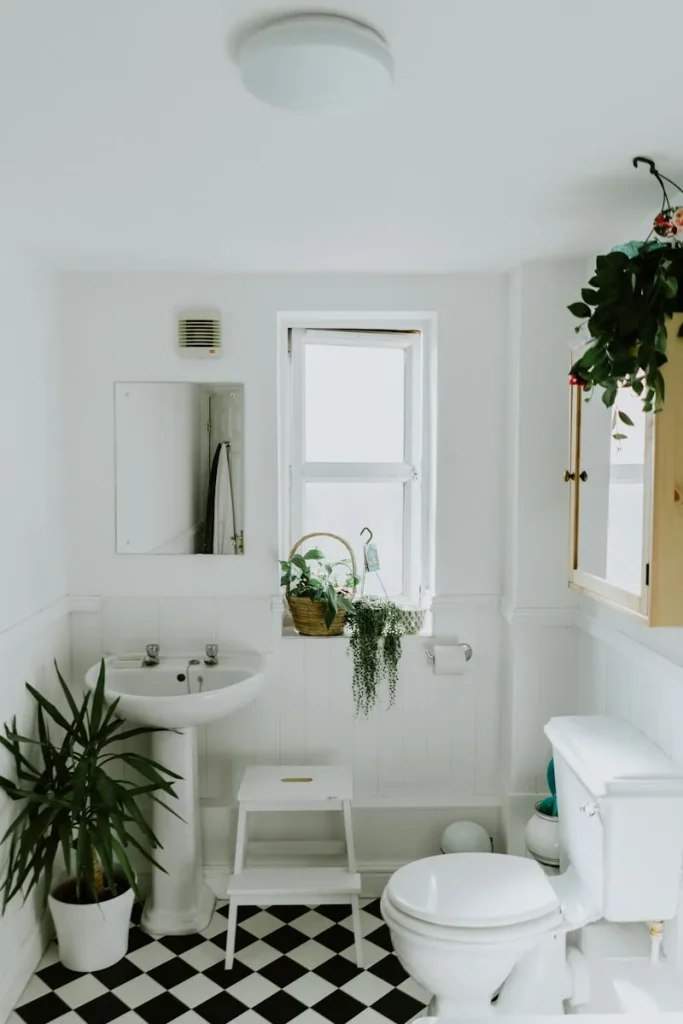
Tile size dramatically affects how a room feels. Large-format tiles (18×18 inches or bigger) create a sense of spaciousness with fewer grout lines. They’re ideal for open floor plans and modern aesthetics. Smaller tiles like mosaics work well in showers and as decorative accents. The direction you lay rectangular tiles changes the room’s proportions — running them lengthwise makes a narrow room appear wider. Popular layout patterns include straight lay for a clean modern look, herringbone for visual interest, and brick pattern for a transitional style.
Practical Installation Tips
Proper subfloor preparation is the key to long-lasting tile installation. The subfloor must be flat, clean, and structurally sound. An uncoupling membrane like Ditra prevents cracks caused by subfloor movement. Always do a dry layout before setting any tiles to plan cuts and ensure the pattern is centered and balanced. Use spacers consistently for even grout lines, and never skip expansion joints along walls and at transitions. Choose a grout color that complements your tile — matching grout creates a seamless look while contrasting grout highlights the tile pattern.
JC
James Carter
James is a certified general contractor and home renovation expert. He has completed over 200 residential remodeling projects across the Northeast.